The difference between the risk assessment and method statement

Samuel Perkins • 23 June 2022

It can be easy to mix the two processes up. Here are the basics of the method statement and the differences between itself and the risk assessment.

Method statements can be a necessity for many businesses however it can be easy to get it mixed up with the risk assessment. Here you'll be able to understand what a method statement is, how it is used and how it differs from the risk assessment. Ensuring that the method statement is done correctly and efficiently will help every business maintain good health and safety within itself.

Firstly what is a method statement? A method statement goes into further detail on actions taken and how the actions are taken. Method statements are not always required. All work should be covered by a risk assessment, whereas method statements are usually for higher-risk, complex, or unusual work. If a method statement is needed it should include the following. Project details, Activity and description of work, Date and duration of work, Responsibilities, Work procedure and control measures including the sequence of work, PPE requirements, Management arrangements, Monitoring arrangements, First aid provision, Welfare provision and Emergency procedures. Let's provide an example...


Example A - The use of ladders in the workplace. The risk assessment would cover what the ladders are being used for and how they can become a hazard such as being unsecure or the age of the ladder. The start of the method statement would include where and when the ladders are used (site address and time).

The second section will provide the details of what measures have been taken. For this instance workers could be provided with hard hats or harnessing.


The next step is to address any other actions taken place whilst on the ladder and what actions are taking if something is to go wrong with the ladder. For this example a record of how other materials are being used whilst a ladder is being in operation may come under this section. If someone is to get injured whilst using the ladder such as falling off, this section will record the actions taken place such as first aid usage and records in an accident log.


The final section will have an in depth appropriately-ordered and step-by-step instructions that must be followed to most safely accomplish the task or work process. This will be from the very first thing done with the hazard. With the example used it would start from how the ladders are loaded/unloaded and secured from whatever vehicle or person is being used to transport them.


Method statements are specifically required by law but will help further the safety measures in place. The method statement will overlap with the risk assessment in terms of the content within it. Sometimes you'll see them displayed together under the abbreviation 'RAMS'. The method statement is good in helping everyone within the business know what actions that are taking place where the risk assessment may not be as clear or may only cover basic procedures.


Hopefully, that helps to cover what a method statement is and the difference between itself and the risk assessment. If you are still unsure on what a risk assessment entitles, please click here for information for the basics of the risk assessment.
by Shaquon Ogarro 24 February 2026
Every workplace, no matter how small or low-risk, contains hazards that can lead to injury, ill health, or costly disruption if they aren’t properly managed. Carrying out a risk assessment isn’t just a legal requirement for many UK businesses; it’s one of the most practical tools you have to protect your people, maintain productivity, and demonstrate responsible management.  Step 1: Identify the Hazards Begin by walking around your workplace and observing tasks, equipment, and materials. Ask yourself: What could go wrong here? What could cause injury, illness, or property damage? Common examples include: Slips, trips, and falls Manual handling Fire risks Noise and vibration Chemical exposure Electrical hazards Don’t forget less obvious risks like stress, fatigue, or poor ergonomics, regulators are increasingly recognising these as significant. Tip: Involve employees. They often spot day-to-day hazards that managers might overlook. Step 2: Decide Who Might Be Harmed and How First, consider everyone who could be impacted, not just employees. Direct staff (operators, office workers) Contractors and visitors Members of the public (for customer facing businesses) Next, record who faces each hazard and explain how it could harm them, for example, cleaning staff handling disinfectants. Tip: Consider vulnerable groups such as young workers, new starters, or pregnant employees. Step 3: Evaluate the Risks and Decide on Precautions This is where you decide what you’ll do about the risks . For each hazard, ask: How likely is harm to occur? How severe could the outcome be? Use a risk matrix (e.g., 1–5 for likelihood × 1–5 for severity) to prioritise actions. Then apply the Hierarchy of Safety Measures : Eliminate the hazard altogether. Substitute for something less hazardous. Apply engineering controls (e.g., barriers, ventilation). Introduce administrative controls (e.g., safe systems of work). Provide personal protective equipment (PPE) as a last resort. Example: Instead of providing ear defenders for noisy machinery, consider replacing the equipment or adding soundproofing where possible. This provides a higher level of control. Step 4: Record Your Findings and Implement Controls If you have five or more employees , you are required to maintain written records of your risk assessments. But even smaller businesses should record key findings; it’s a good practice and a strong defence if inspected. Your record should include: The identified hazards Who might be harmed and how The control measures in place or needed Who is responsible for implementing them Target completion dates Once completed, communicate the results clearly to employees and ensure that actions are followed up on. Risk assessments are only practical if they lead to real change. Step 5: Review and Update Regularly Workplaces evolve, and the introduction of new equipment, materials, and processes brings about new hazards. You should review your risk assessments: At least annually After significant changes in work activity Following an accident or near-miss When new legislation or guidance is introduced Document reviews and updates demonstrate proactive management, ensuring your compliance evidence remains up to date. Common Mistakes to Avoid Copying someone else’s template without tailoring it to your site Overcomplicating small risks Focusing only on paperwork, not action Failing to involve employees Not revisiting assessments after changes A “suitable and sufficient” risk assessment should be specific, proportionate, and regularly reviewed .
UK health and safety law
by Shaquon Ogarro 21 January 2026
A practical guide to UK health and safety law for employers. Learn your legal duties, HASAWA, HSE enforcement and how to stay compliant.
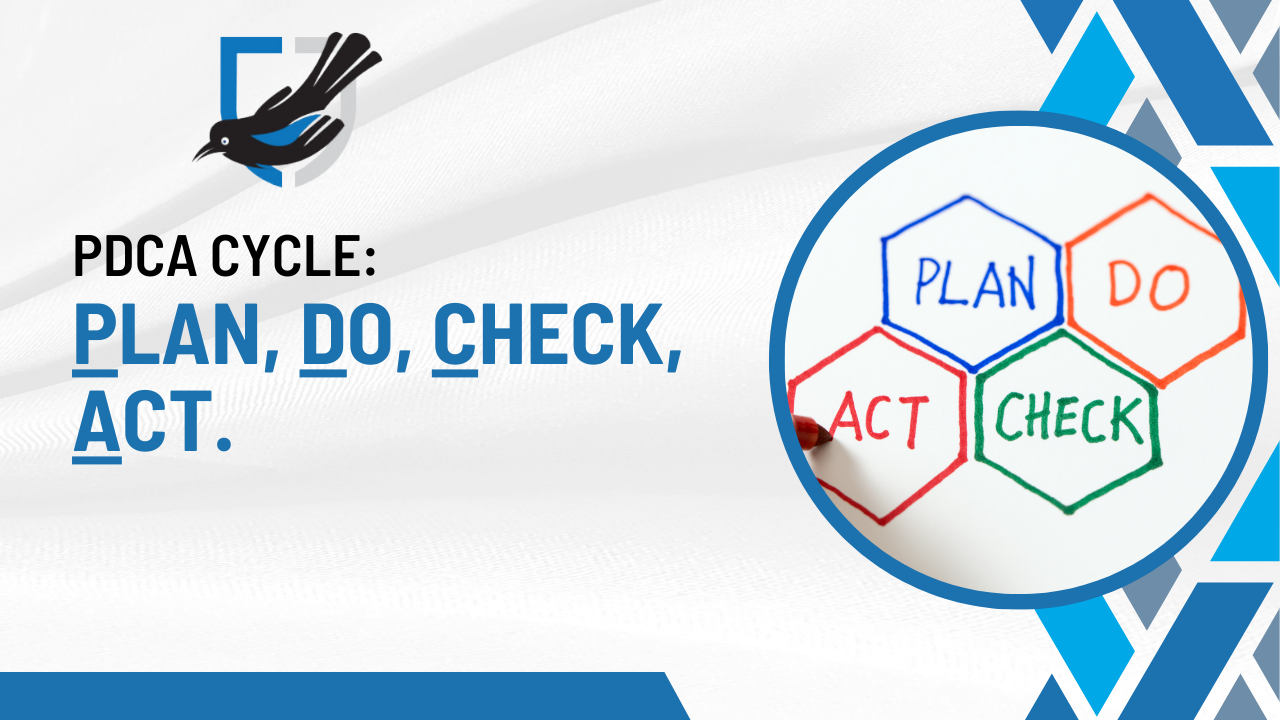
PDCA Cycle: Plan, Do, Check, Act.
by Shaquon Ogarro 1 September 2025
Unlock the power of the PDCA cycle in this insightful guide. Learn the four phases Plan, Do, Check, Act—and how they drive continuous improvement.
highlighting the five key tips for risk assessment
by Shaquon Ogarro 3 January 2024
Explore the essential steps of risk management in our blog on 'What is a Risk Assessment.' Learn to identify hazards, assess risks, and implement controls.
emergency at work
by Shaquon Ogarro 13 December 2023
Prioritise safety with practical tips and solutions through our guide for an effective emergency preparedness at work framework.
Fire Safety tips
by Shaquon Ogarro 22 August 2023
Proactively safeguard your workplace in 5 essential fire safety at work tips. Create a safe environment, minimise risks, and protect assets.
blog Importance of Maintaining a Positive Employee-Employer Relationship for Workplace Health
by Shaquon Ogarro 18 April 2023
Explore the crucial role of fostering positive employee-employer relationships in creating a safe and healthy workplace. Learn how encouraging reporting, enhancing compliance, building a strong safety culture, and supporting mental well-being can improve overall health and safety in your organisation.
Health and Safety at Work Act: A magnifying glass highlighting key regulations and legal duties for
by Shaquon Ogarro 17 April 2023
we delve into the intricacies of the Health and Safety at Work Act, the primary legislation governing workplace safety in the UK. Employers play a crucial role in upholding their legal duties and protecting their workforce from potential hazards. Learn about conducting risk assessments, implementing control measures, and fostering a safer work environment to ensure compliance and enhance workplace welfare. Discover how understanding and adhering to the HSWA can create a secure and healthy workplace for all.
Safety planning tips
by Samuel Perkins 15 November 2022
Discover the essential steps for effective safety planning in the workplace. Learn how to identify hazards, understand compliance standards, create comprehensive processes, educate your workforce, and prepare for the unexpected.
Stress at work
by Shaquon o'Garro 27 September 2022
Stress is a constant factor in the workplace and studies have shown that the effects of long-term stress can impair performance and diminish health. While it can be difficult to identify signs of stress in others, there are some clues you should look out for. Read on to learn more about identifying and managing work-related stress. A ‘stressed workplace’ is not an uncommon scenario, especially in work environments with high turnover rates or a big workforce. Many causes of such work-related stress include heavy workloads, conflicts with co-workers or bosses, job insecurity and long hours. When employees are experiencing stress, it can have many negative impacts on the workplace. This involves things such as, increased absence and a decrease in creativity and productivity, also offsite, one may struggle with anxiety, depression, sleeping and breathing difficulties. Things to look out for as an employer: changes in an employee’s normal behaviour general unpredictability raised irritability poor team mentality being more withdrawn then usual uncharacteristic behaviours Change in their appearance. Sudden Lack of concentration/commitment All these things are potentially things which could lead to disciplinaries and in some cases firings. To prevent this from happening, employers have created detailed human resource policies that outline specific procedures for identifying and managing stress at work.