Health and safety law in the UK is designed to protect people at work, not to create red tape. Yet for many small and medium-sized businesses, UK health and safety law for employers can feel confusing and intimidating. What's the difference between criminal and civil law? Who's responsible for compliance? And how much is enough when it comes to managing risk?
This guide breaks down how UK health and safety law works in practice, helping employers understand their duties and take a confident, proportionate approach to compliance.
Why Health and Safety Law Exists
The goal of health and safety legislation isn't to eliminate all risk; it's to make sure risks are managed sensibly.
Every employee has the right to return home safe and well at the end of each day. The law places the primary duty on those who create risks: employers, the self-employed, and those in control of premises, to manage them responsibly.
The cornerstone of this framework is the Health and Safety at Work etc. Act 1974 (HASAWA). This Act outlines the general duties that employers and employees owe to one another, forming the foundation for most modern safety regulations.
The Legal Framework: HASAWA and Supporting Regulations
HASAWA provides the overarching principles. It's supported by a series of regulations that deal with specific risks and industries, such as:
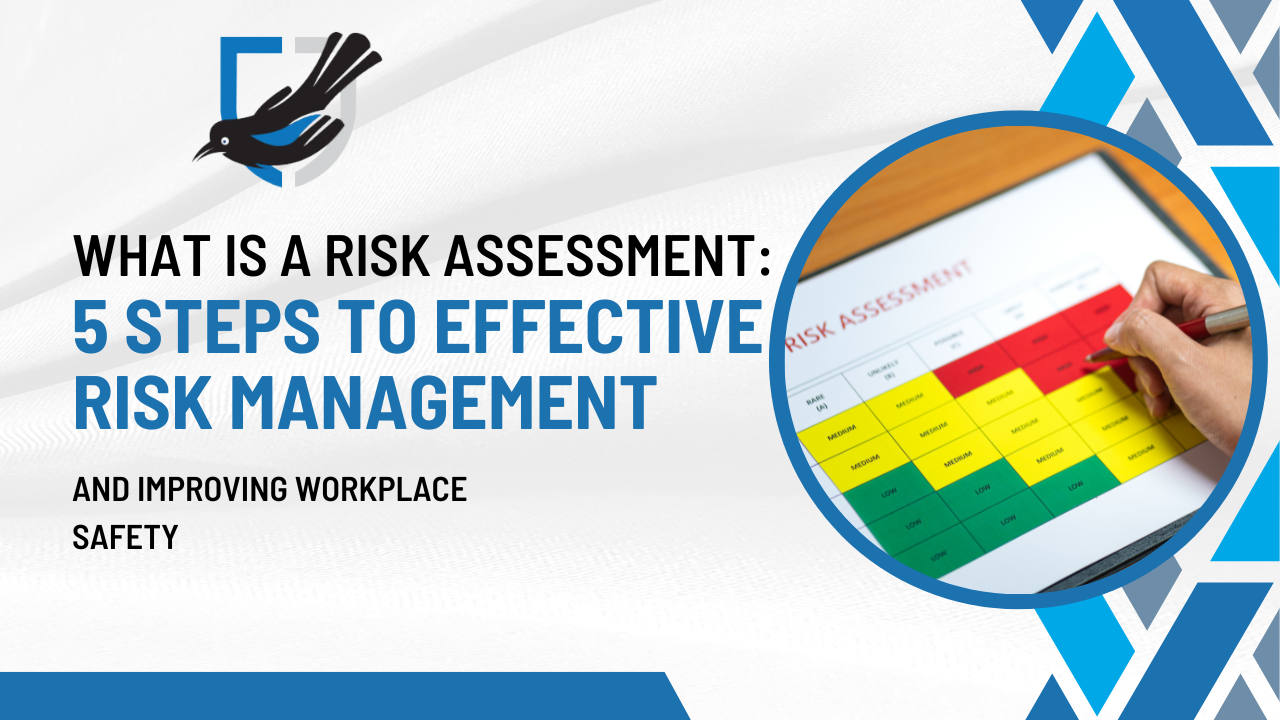
- The Management of Health and Safety at Work Regulations 1999 (MHSWR) require risk assessments and the implementation of preventive measures to ensure a safe working environment.
- The Provision and Use of Work Equipment Regulations 1998 (PUWER) ensure equipment is safe to use.
- The Workplace (Health, Safety and Welfare) Regulations 1992 set standards for temperature, lighting, and cleanliness.
- The Control of Substances Hazardous to Health Regulations 2002 (COSHH) govern the handling of hazardous chemicals and exposure risks.
In simple terms:
- The Act says what you must achieve.
- The Regulations explain how to achieve it.
Civil vs. Criminal Liability Explained
Many employers are surprised to learn that health and safety breaches can be both criminal and civil matters.
Criminal law focuses on punishing wrongdoing and protecting the public interest.
- Enforced by regulators such as the Health and Safety Executive (HSE) or local authorities.
- Penalties can include fines or, in severe cases, imprisonment.
Civil law, by contrast, deals with disputes between individuals or organisations, for example, an employee suing for injury compensation.
- The goal is to provide a financial remedy, not punishment.
- The claimant must demonstrate that the employer breached their duty of care and that this breach caused harm.
In short:
Criminal law keeps you compliant.
Civil law keeps you accountable.
The Role of the HSE and Local Authorities
The HSE is the UK's primary regulator for workplace health and safety. It:
- Inspects workplaces to ensure compliance.
- Investigates serious incidents and complaints.
- Issues Improvement or Prohibition Notices.
- Brings prosecutions for breaches of law.
Local authorities share responsibility for certain premises, typically including offices, shops, warehouses, and catering establishments.
If you're unsure which body regulates your business, the HSE's website offers a quick reference guide by sector.
Key Employer Responsibilities
Under HASAWA and supporting regulations, employers must:
- Provide a safe workplace and safe systems of work.
- Assess and control risks to employees and others affected by the work.
- Consult and inform employees about safety matters.
- Provide training, supervision, and necessary protective equipment.
- Monitor and review safety arrangements regularly.
It's also vital to maintain written Health and Safety Policies (if you have 5 or more employees) and to ensure roles and responsibilities are clearly assigned.
Penalties for Non-Compliance (and How to Avoid Them)
Failure to comply can lead to serious consequences, including:
- Fines: These can exceed hundreds of thousands of pounds, depending on the company's turnover and the severity of the offence.
- Prosecution: Directors and managers may face personal liability.
- Enforcement notices: Halting operations until corrective action is taken.
- Reputational damage: Loss of client trust and contract opportunities.
The simplest way to stay compliant?
Adopt a
proactive safety management system, such as the
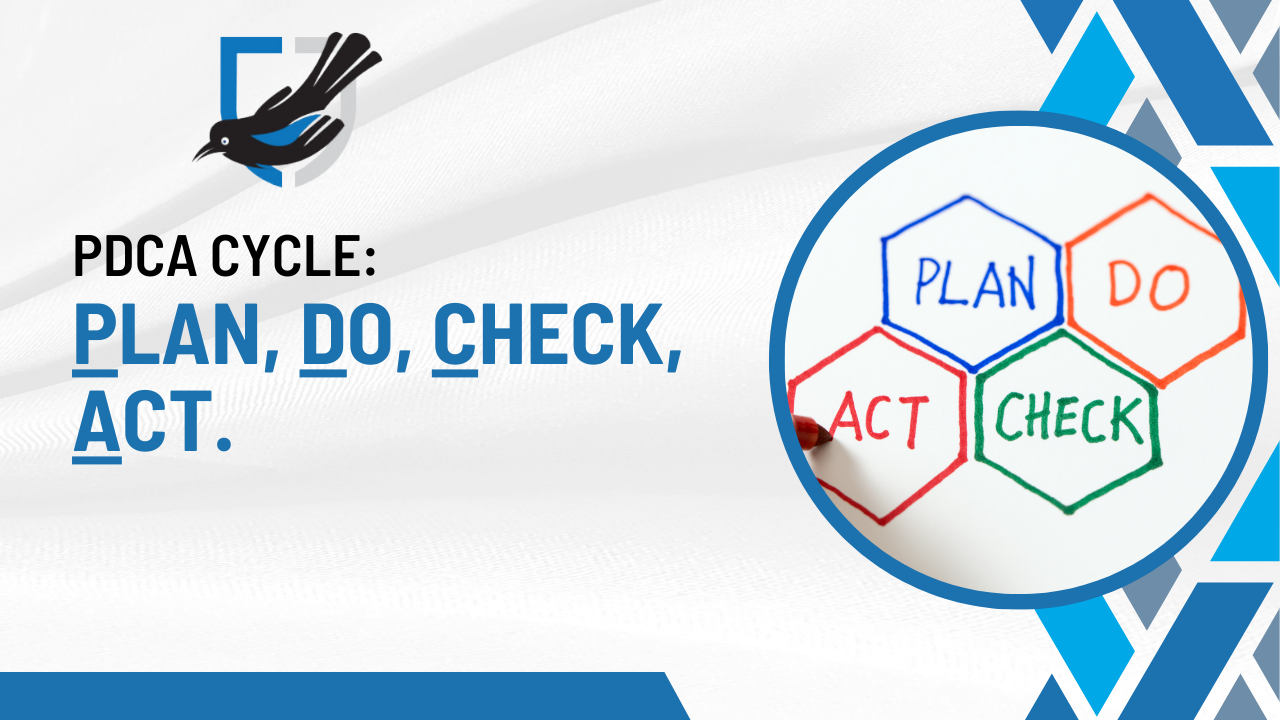
Plan–Do–Check–Act (PDCA) model recommended by the HSE.
Building a Compliant Health & Safety System (Plan–Do–Check–Act)
A strong system doesn't need to be complicated; it just needs to be consistent.
| Stage | Purpose | Example Actions |
|---|---|---|
| Plan | Identify risks and set objectives. | Conduct risk assessments, write policies. |
| Do | Implement control measures. | Provide training, install safety signage. |
| Check | Monitor performance and results. | Run audits, inspect equipment. |
| Act | Review and improve processes. | Update procedures after incidents or reviews. |
This approach ensures safety isn't a one-time exercise but a continuous improvement cycle.
Summary: Staying Legally Safe as an Employer
UK health and safety law doesn't require perfection; it requires reasonable steps. By understanding the legal structure, understanding your responsibilities, and embedding a systematic risk management approach, you can demonstrate compliance, protect your workforce, and maintain operational integrity.
- Need help applying this in your business?
Westley Lansdowne supports SMEs with proportionate safety systems, compliance audits, policy development and ongoing advisory support.
If you’d like a quick, no-obligation conversation about your current setup, you can book a call here