Legislation vs Guidance: What Businesses Often Get Wrong
Shaquon Ogarro • 20 May 2026

When it comes to health and safety compliance in the UK, one of the most significant sources of confusion among business owners and managers is the difference between Legislation and Guidance.

It’s easy to see why. Both sources are official, both utilise legal terminology, and both are cited in safety documents and risk assessments.


However, understanding the distinction is essential, not only for compliance but also for proportional and effective risk management.


In this article, we’ll break down the difference between Legislation and guidance, explain why it matters, and show how to apply both correctly in your organisation.
What Is Legislation?

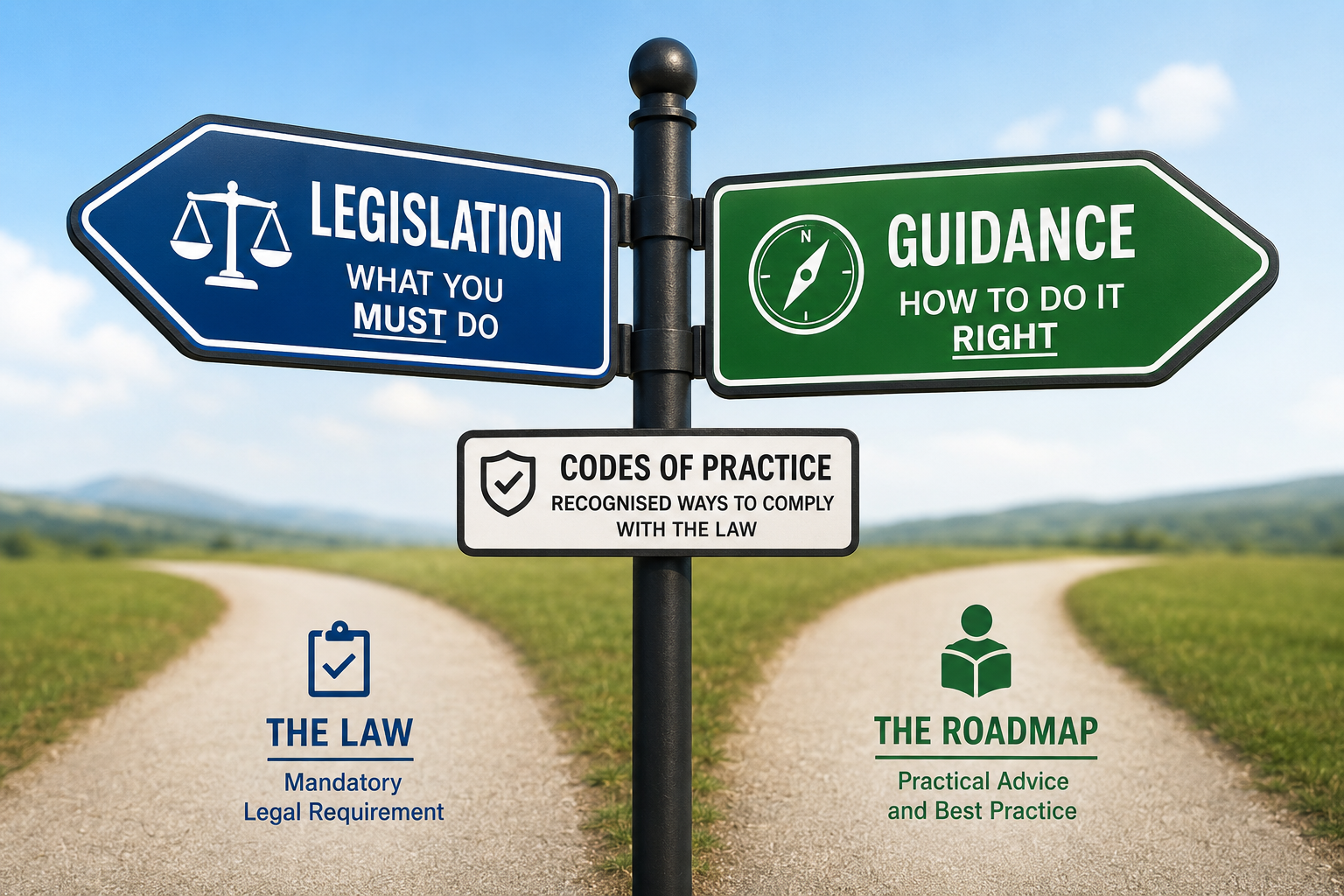
Legislation is Law. The mandatory standards businesses must meet.


If you fail to comply with Legislation, you’re breaking the Law, which can lead to enforcement notices, prosecution, or even imprisonment in severe cases.


Examples of core UK health and safety legislation include:

  • Health and Safety at Work etc. Act 1974 (HSWA)
  • Management of Health and Safety at Work Regulations 1999
  • Control of Substances Hazardous to Health Regulations 2002 (COSHH)
  • Workplace (Health, Safety and Welfare) Regulations 1992


These laws establish the minimum legal duty of care that employers, employees, and others must uphold.


In short, Legislation defines what you must do.


What Is Guidance?

Guidance provides practical advice on complying with the Law.
It is not legally binding, but it carries considerable authority.

Guidance is often issued by:

  • The Health and Safety Executive (HSE)
  • Industry bodies such as the British Safety Council or IOSH
  • Approved Codes of Practice (ACoPs)

While following guidance is not compulsory, it’s highly recommended because it’s written by experts who interpret Legislation in a practical, industry-specific way.

In short, Guidance shows how to meet legal requirements.


What Are Approved Codes of Practice (ACoPs)?

ACoPs sit somewhere between Law and guidance.


They are quasi-legal documents approved by the HSE that explain one recognised way to comply with the Law.


If you follow an ACoP, you are typically considered to have complied.
If you choose an alternative method, you must be able to
demonstrate that it is equally effective.


Example:
The
Control of Substances Hazardous to Health (COSHH) Regulations require control of exposure to harmful substances. The corresponding ACoP explains how to design and manage ventilation systems safely, not only how to comply, but also in a legally defensible manner.


Why Businesses Get It Wrong

Many businesses confuse guidance for “optional reading.” Others treat it as Law and unnecessarily overcomplicate their systems.


Here are the most common mistakes:


  1. Treating all HSE materials as Law.
    → Leads to excessive paperwork or irrelevant procedures.
  2. Ignoring guidance completely.
    → Misses valuable insights that help achieve compliance efficiently.
  3. Failing to differentiate between industry standards and Legislation.
    → For example, British Standards are not Law but can demonstrate compliance.
  4. Copying policies from other sectors.
    → What’s legally sufficient in manufacturing might not apply to offices or hospitality.


Why the Difference Matters

Understanding what is required versus what is recommended helps businesses:


  • Apply proportionate controls (avoid over- or under-regulation)
  • Focus resources where risks are real and material
  • Defend their position if audited or investigated
  • Develop internal policies that reflect true legal obligations


A competent safety strategy utilises Legislation as its foundation and guidance as its roadmap.


How to Apply Both in Practice

1. Start with the Law

Identify the key Acts and Regulations that apply to your activities.
For example:

  • Construction → CDM Regulations 2015
  • Healthcare → COSHH and Manual Handling Regulations
  • Offices → Workplace (Health, Safety and Welfare) Regulations


2. Use Guidance to Build Practical Controls

Once you understand your legal duties, utilise HSE and ACoP materials to determine the most efficient way to meet them.
This step prevents you from reinventing the wheel.


3. Document the Reasoning

In your policy or risk assessment, explain how guidance informed your controls.
If you deviate from an ACoP, record your rationale and supporting evidence.


4. Keep Guidance Up to Date

Guidance evolves faster than Legislation. Regularly review the HSE website or subscribe to updates.
Outdated practices can quickly erode compliance.


Real-World Example

A small manufacturing firm followed a 200-page safety manual copied from a construction company.
Most of the content didn’t apply to their processes, and crucial risks (such as dust exposure) were barely covered.

After reviewing the relevant Legislation and using HSE guidance on LEV (Local Exhaust Ventilation), they:

  • Cut unnecessary procedures by 60%
  • Improved COSHH compliance
  • Reduced audit findings significantly

By distinguishing Law from guidance, they became safer and more efficient.


Summary: Clarity Brings Confidence

Legislation tells you what you must do.
Guidance helps you do it right.


Understanding both gives you confidence whether writing a policy, auditing a site, or explaining compliance to a client or regulator.


When businesses confuse the two, they either do too little or too much. The smart ones strike the right balance.
by Shaquon Ogarro 14 April 2026
Even the best-written safety policies fail if they aren’t understood by the people who need them most. Communication is the bridge between compliance on paper and real-world safety culture. Yet many organisations, especially small and medium-sized enterprises, struggle to make health and safety messages land . Too often, they rely on noticeboards, policy emails, or annual training sessions that employees quickly forget. In this article, we’ll explore how to communicate health and safety effectively in your workplace to improve engagement, compliance, and trust. Why Communication is the Cornerstone of Safety Effective communication ensures everyone knows: What they’re expected to do Why it matters How to raise concerns or suggest improvements When people understand the why behind safety measures, they’re far more likely to take them seriously. According to the HSE, poor communication is one of the most common root causes of accidents, particularly when information fails to reach contractors, new starters, or shift workers. In short: Communication turns compliance into culture.
by Shaquon Ogarro 24 February 2026
Every workplace, no matter how small or low-risk, contains hazards that can lead to injury, ill health, or costly disruption if they aren’t properly managed. Carrying out a risk assessment isn’t just a legal requirement for many UK businesses; it’s one of the most practical tools you have to protect your people, maintain productivity, and demonstrate responsible management.  Step 1: Identify the Hazards Begin by walking around your workplace and observing tasks, equipment, and materials. Ask yourself: What could go wrong here? What could cause injury, illness, or property damage? Common examples include: Slips, trips, and falls Manual handling Fire risks Noise and vibration Chemical exposure Electrical hazards Don’t forget less obvious risks like stress, fatigue, or poor ergonomics, regulators are increasingly recognising these as significant. Tip: Involve employees. They often spot day-to-day hazards that managers might overlook. Step 2: Decide Who Might Be Harmed and How First, consider everyone who could be impacted, not just employees. Direct staff (operators, office workers) Contractors and visitors Members of the public (for customer facing businesses) Next, record who faces each hazard and explain how it could harm them, for example, cleaning staff handling disinfectants. Tip: Consider vulnerable groups such as young workers, new starters, or pregnant employees. Step 3: Evaluate the Risks and Decide on Precautions This is where you decide what you’ll do about the risks . For each hazard, ask: How likely is harm to occur? How severe could the outcome be? Use a risk matrix (e.g., 1–5 for likelihood × 1–5 for severity) to prioritise actions. Then apply the Hierarchy of Safety Measures : Eliminate the hazard altogether. Substitute for something less hazardous. Apply engineering controls (e.g., barriers, ventilation). Introduce administrative controls (e.g., safe systems of work). Provide personal protective equipment (PPE) as a last resort. Example: Instead of providing ear defenders for noisy machinery, consider replacing the equipment or adding soundproofing where possible. This provides a higher level of control. Step 4: Record Your Findings and Implement Controls If you have five or more employees , you are required to maintain written records of your risk assessments. But even smaller businesses should record key findings; it’s a good practice and a strong defence if inspected. Your record should include: The identified hazards Who might be harmed and how The control measures in place or needed Who is responsible for implementing them Target completion dates Once completed, communicate the results clearly to employees and ensure that actions are followed up on. Risk assessments are only practical if they lead to real change. Step 5: Review and Update Regularly Workplaces evolve, and the introduction of new equipment, materials, and processes brings about new hazards. You should review your risk assessments: At least annually After significant changes in work activity Following an accident or near-miss When new legislation or guidance is introduced Document reviews and updates demonstrate proactive management, ensuring your compliance evidence remains up to date. Common Mistakes to Avoid Copying someone else’s template without tailoring it to your site Overcomplicating small risks Focusing only on paperwork, not action Failing to involve employees Not revisiting assessments after changes A “suitable and sufficient” risk assessment should be specific, proportionate, and regularly reviewed .
UK health and safety law
by Shaquon Ogarro 21 January 2026
A practical guide to UK health and safety law for employers. Learn your legal duties, HASAWA, HSE enforcement and how to stay compliant.
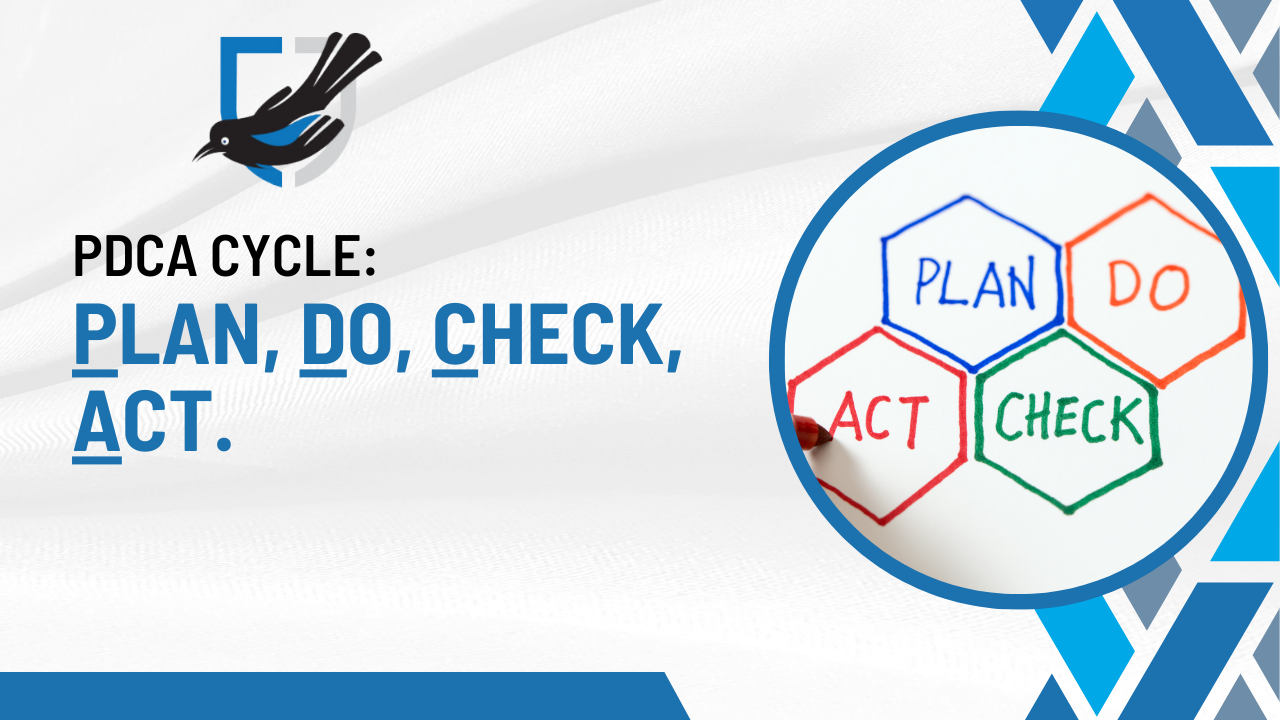
PDCA Cycle: Plan, Do, Check, Act.
by Shaquon Ogarro 1 September 2025
Unlock the power of the PDCA cycle in this insightful guide. Learn the four phases Plan, Do, Check, Act—and how they drive continuous improvement.
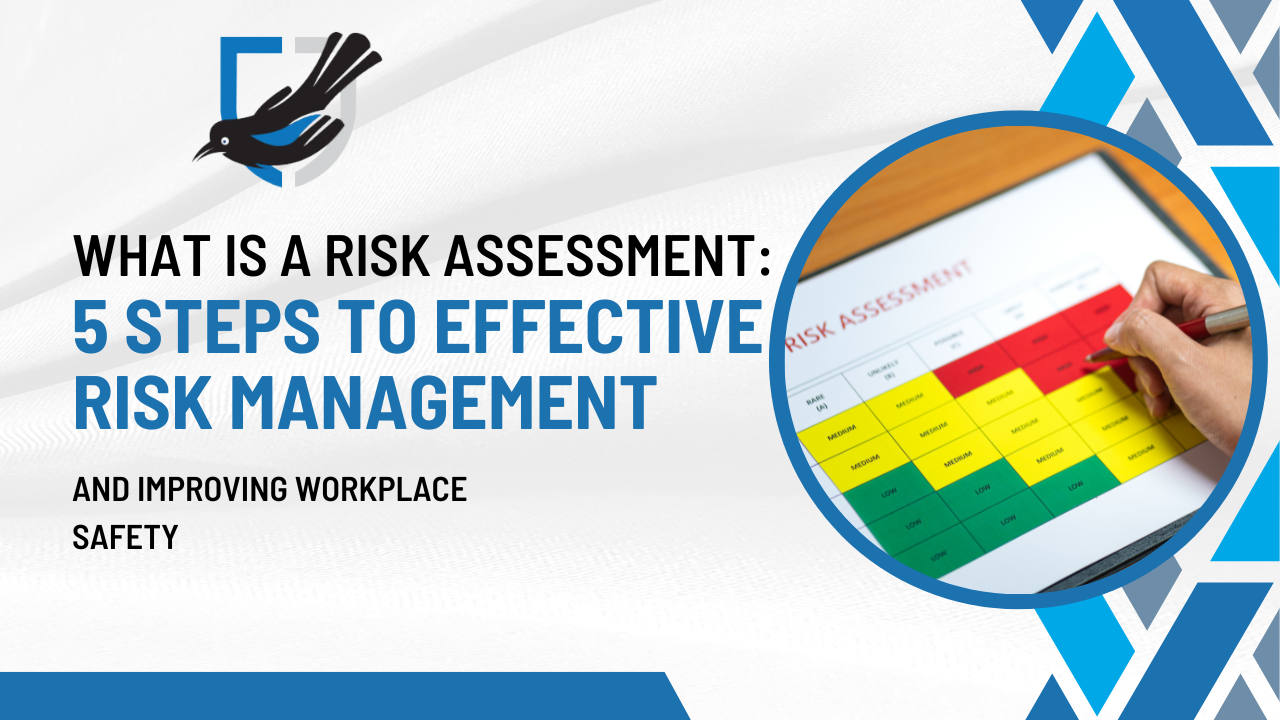
highlighting the five key tips for risk assessment
by Shaquon Ogarro 3 January 2024
Explore the essential steps of risk management in our blog on 'What is a Risk Assessment.' Learn to identify hazards, assess risks, and implement controls.
emergency at work
by Shaquon Ogarro 13 December 2023
Prioritise safety with practical tips and solutions through our guide for an effective emergency preparedness at work framework.
Fire Safety tips
by Shaquon Ogarro 22 August 2023
Proactively safeguard your workplace in 5 essential fire safety at work tips. Create a safe environment, minimise risks, and protect assets.
blog Importance of Maintaining a Positive Employee-Employer Relationship for Workplace Health
by Shaquon Ogarro 18 April 2023
Explore the crucial role of fostering positive employee-employer relationships in creating a safe and healthy workplace. Learn how encouraging reporting, enhancing compliance, building a strong safety culture, and supporting mental well-being can improve overall health and safety in your organisation.
Health and Safety at Work Act: A magnifying glass highlighting key regulations and legal duties for
by Shaquon Ogarro 17 April 2023
we delve into the intricacies of the Health and Safety at Work Act, the primary legislation governing workplace safety in the UK. Employers play a crucial role in upholding their legal duties and protecting their workforce from potential hazards. Learn about conducting risk assessments, implementing control measures, and fostering a safer work environment to ensure compliance and enhance workplace welfare. Discover how understanding and adhering to the HSWA can create a secure and healthy workplace for all.
Safety planning tips
by Samuel Perkins 15 November 2022
Discover the essential steps for effective safety planning in the workplace. Learn how to identify hazards, understand compliance standards, create comprehensive processes, educate your workforce, and prepare for the unexpected.