Remember....You're a Magpie
Thomas Sproston • 5 March 2021
Business Owners as Magpies, Surely Not?

Bit of a complex subject to open with, but hear me out on this one....
Magpies are wonderful birds -
they're constantly busy investigating and dealing with the stuff that interests them the most and the shiny stuff that looks even more interesting than that whilst playfully paying near complete ignorance to the stuff that doesn't matter to them at that very moment.
They've also got a lot more going on plumage and colouration wise than you'd expect - the Eurasian Magpie looks black and white from a distance but the black is actually various shades of blue and green when inspected closely and it changes significantly in different lighting.
It's important to see also how these birds defend their own - ask any Australian about 'Swooping Season', where the birds will swoop aggressively on humans to protect their young against the threat they perceive - https://www.youtube.com/watch?v=ma_5QppCuyI - they do it quickly, angrily, without remorse and for as long as required to get the issue addressed!
That's without discussing intelligence or their social desire to any huge degree - it's well known these birds are remarkably intelligent and can be trained to do tasks and thrive hugely off each other socially.
Which brings me nicely on to business owners... we have more than a few similarities than you'd expect to Magpies!
Your average business owner has a particular area or two they're really interested in and they're varying levels of motivated or even near useless at the rest - Mine is technical safety and safety management...but draw me into accounting and business strategy and you've lost me. The clever magpie owner will recognise this and outsource to another competent
business magpie who finds these problems particularly shiny and interesting.
The allegory can be pushed further still - most business magpies have far greater ideas under their initial plumage that just need further help to get out and/or optimise and will defend their interests to the hilt where appropriate.
It's little wonder really why I took inspiration from the wonderful little bird for the logo...
In summary, as a business owner - like it or not - you're a Magpie. Embrace it and remember to find others to deal with the stuff that's not shiny to you!
Understand the five levels of risk control and how to apply the hierarchy of control measures in UK workplaces. Learn practical examples from elimination to PPE.
Understand the difference between health and safety legislation and guidance in the UK. Learn what businesses must do, what’s recommended, and how to stay compliant without overcomplicating safety management.
Even the best-written safety policies fail if they aren’t understood by the people who need them most. Communication is the bridge between compliance on paper and real-world safety culture. Yet many organisations, especially small and medium-sized enterprises, struggle to make health and safety messages land . Too often, they rely on noticeboards, policy emails, or annual training sessions that employees quickly forget. In this article, we’ll explore how to communicate health and safety effectively in your workplace to improve engagement, compliance, and trust. Why Communication is the Cornerstone of Safety Effective communication ensures everyone knows: What they’re expected to do Why it matters How to raise concerns or suggest improvements When people understand the why behind safety measures, they’re far more likely to take them seriously. According to the HSE, poor communication is one of the most common root causes of accidents, particularly when information fails to reach contractors, new starters, or shift workers. In short: Communication turns compliance into culture.
Every workplace, no matter how small or low-risk, contains hazards that can lead to injury, ill health, or costly disruption if they aren’t properly managed. Carrying out a risk assessment isn’t just a legal requirement for many UK businesses; it’s one of the most practical tools you have to protect your people, maintain productivity, and demonstrate responsible management. Step 1: Identify the Hazards Begin by walking around your workplace and observing tasks, equipment, and materials. Ask yourself: What could go wrong here? What could cause injury, illness, or property damage? Common examples include: Slips, trips, and falls Manual handling Fire risks Noise and vibration Chemical exposure Electrical hazards Don’t forget less obvious risks like stress, fatigue, or poor ergonomics, regulators are increasingly recognising these as significant. Tip: Involve employees. They often spot day-to-day hazards that managers might overlook. Step 2: Decide Who Might Be Harmed and How First, consider everyone who could be impacted, not just employees. Direct staff (operators, office workers) Contractors and visitors Members of the public (for customer facing businesses) Next, record who faces each hazard and explain how it could harm them, for example, cleaning staff handling disinfectants. Tip: Consider vulnerable groups such as young workers, new starters, or pregnant employees. Step 3: Evaluate the Risks and Decide on Precautions This is where you decide what you’ll do about the risks . For each hazard, ask: How likely is harm to occur? How severe could the outcome be? Use a risk matrix (e.g., 1–5 for likelihood × 1–5 for severity) to prioritise actions. Then apply the Hierarchy of Safety Measures : Eliminate the hazard altogether. Substitute for something less hazardous. Apply engineering controls (e.g., barriers, ventilation). Introduce administrative controls (e.g., safe systems of work). Provide personal protective equipment (PPE) as a last resort. Example: Instead of providing ear defenders for noisy machinery, consider replacing the equipment or adding soundproofing where possible. This provides a higher level of control. Step 4: Record Your Findings and Implement Controls If you have five or more employees , you are required to maintain written records of your risk assessments. But even smaller businesses should record key findings; it’s a good practice and a strong defence if inspected. Your record should include: The identified hazards Who might be harmed and how The control measures in place or needed Who is responsible for implementing them Target completion dates Once completed, communicate the results clearly to employees and ensure that actions are followed up on. Risk assessments are only practical if they lead to real change. Step 5: Review and Update Regularly Workplaces evolve, and the introduction of new equipment, materials, and processes brings about new hazards. You should review your risk assessments: At least annually After significant changes in work activity Following an accident or near-miss When new legislation or guidance is introduced Document reviews and updates demonstrate proactive management, ensuring your compliance evidence remains up to date. Common Mistakes to Avoid Copying someone else’s template without tailoring it to your site Overcomplicating small risks Focusing only on paperwork, not action Failing to involve employees Not revisiting assessments after changes A “suitable and sufficient” risk assessment should be specific, proportionate, and regularly reviewed .
A practical guide to UK health and safety law for employers. Learn your legal duties, HASAWA, HSE enforcement and how to stay compliant.
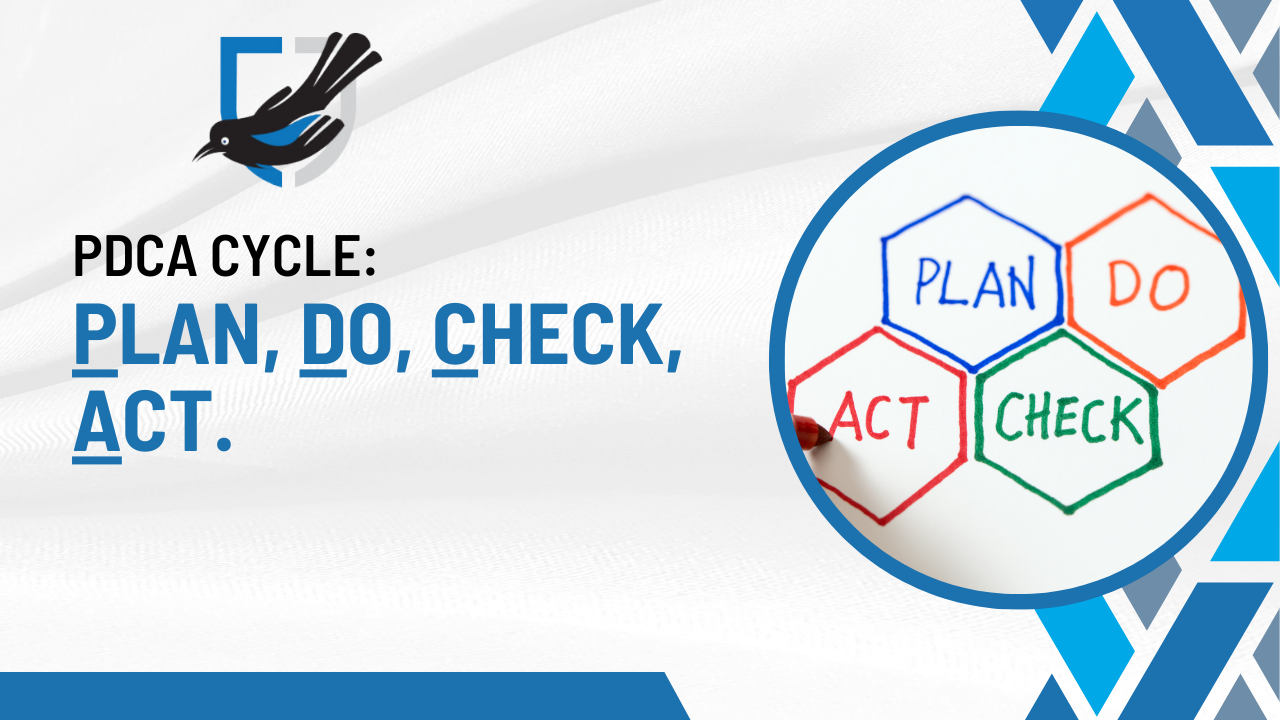
Unlock the power of the PDCA cycle in this insightful guide. Learn the four phases Plan, Do, Check, Act—and how they drive continuous improvement.
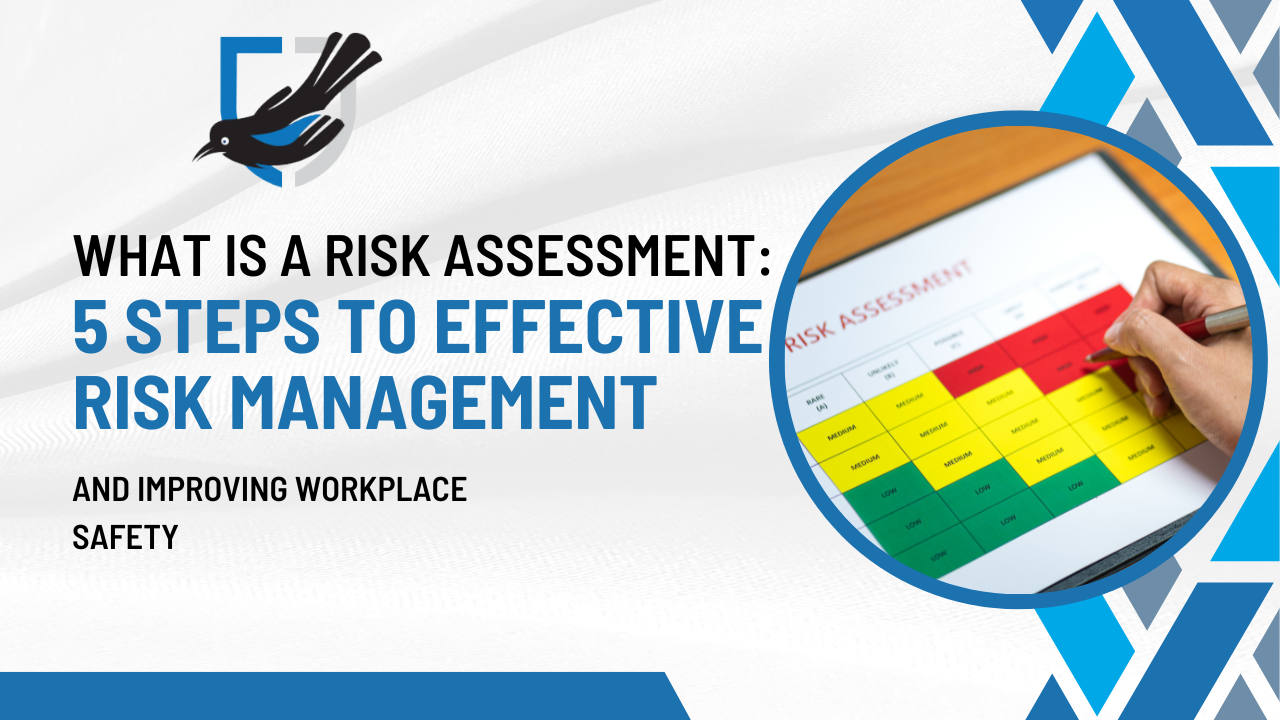
Explore the essential steps of risk management in our blog on 'What is a Risk Assessment.' Learn to identify hazards, assess risks, and implement controls.
Prioritise safety with practical tips and solutions through our guide for an effective emergency preparedness at work framework.
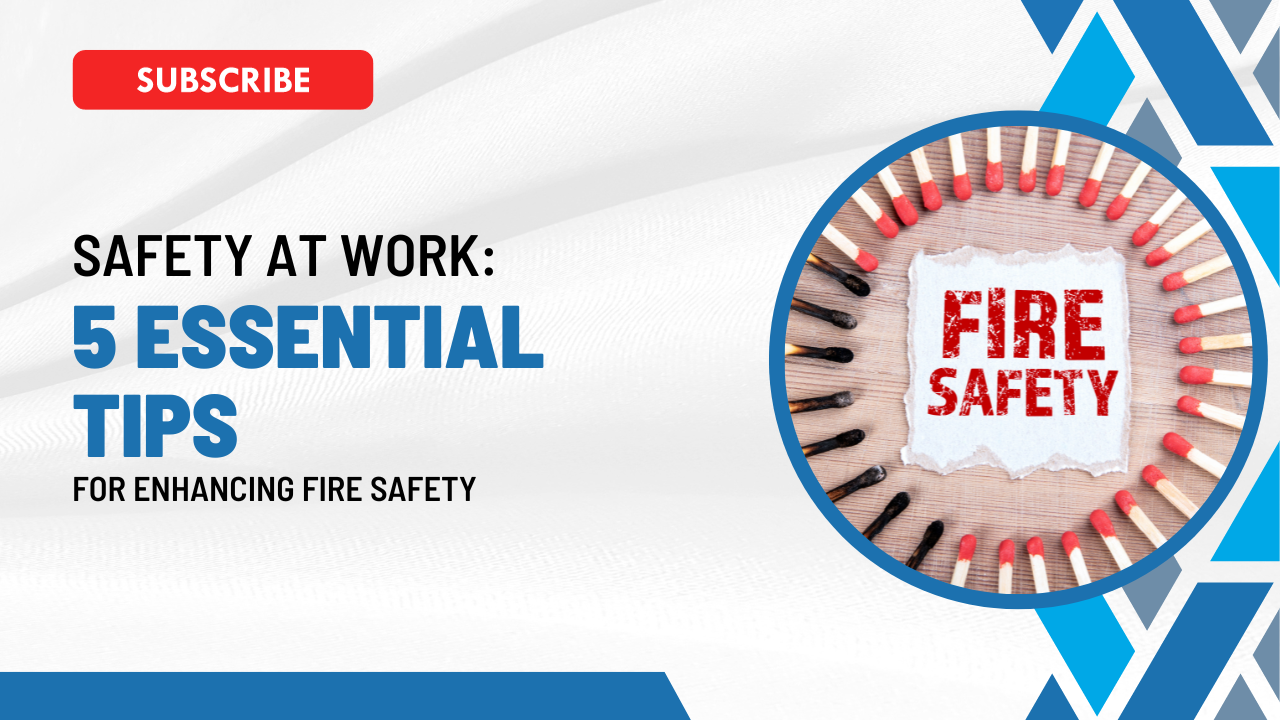
Proactively safeguard your workplace in 5 essential fire safety at work tips. Create a safe environment, minimise risks, and protect assets.
Explore the crucial role of fostering positive employee-employer relationships in creating a safe and healthy workplace. Learn how encouraging reporting, enhancing compliance, building a strong safety culture, and supporting mental well-being can improve overall health and safety in your organisation.